The #1 Mistake People Make When Choosing A Pillow
The pillow that feels soft in your hand may be wrong for your spine.
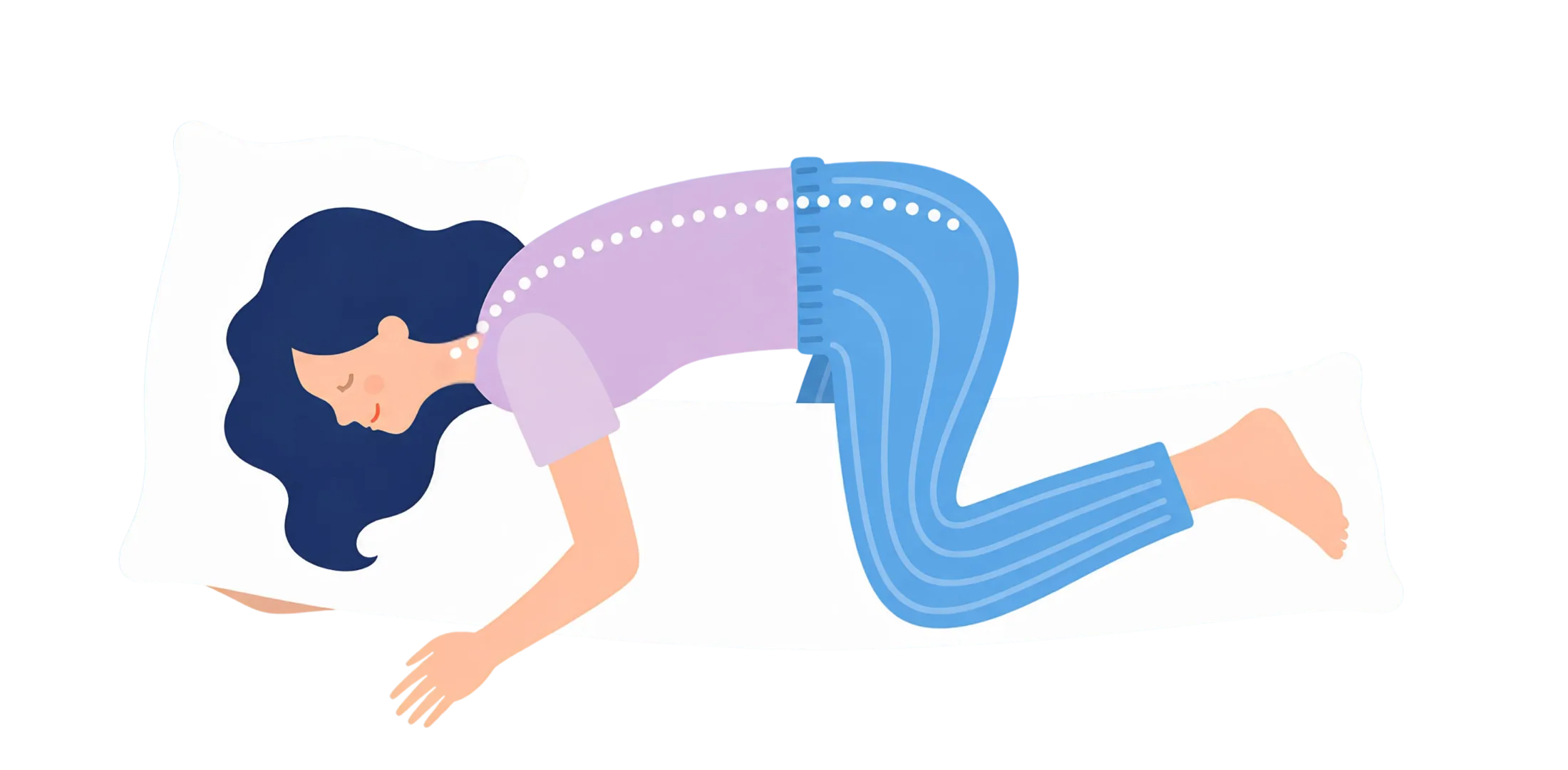
Key Takeaways
- A pillow's real job is keeping your spine aligned, not just feeling soft.
- Sleep position, shoulder gap, mattress firmness, and neck curve all change pillow needs.
- Side sleepers often need full-body support, not only a pillow under the head.
Walk into any bedding store and you'll face an overwhelming wall of choices: memory foam, down, synthetic fill, cooling gel, firm, soft, contoured, flat.
Hundreds of options, each claiming to be the "best pillow for better sleep".
Talk about confusing!
So what do most people do?
They squeeze a few pillows, pick one that feels soft and comfortable to their hand, and call it a day.
But choosing a pillow based on how it feels is the biggest mistake you can make.
And it's costing you quality sleep, leaving you with neck pain, and potentially causing long-term spinal issues.
A pillow's job isn't to feel soft. Its job is to keep your spine aligned while you sleep.
And what feels plush and luxurious to your hand has almost nothing to do with what your neck and spine need during eight hours of horizontal rest.
Why "Soft and Comfortable" Doesn't Mean "Right for You"
A pillow that feels wonderfully soft might provide zero support:
Your head sinks down and bends your neck at an unnatural angle all night, and you wake up with:
- ❌ Stiff neck and shoulders
- ❌ Headaches that start at the base of your skull
- ❌ Numbness or tingling in your arms and hands
- ❌ Upper back pain
- ❌ Jaw tension (from your head being tilted incorrectly)
- ❌ Fatigue despite sleeping enough hours
These can be serious. Chronic poor neck alignment during sleep can lead to lasting postural problems, nerve compression, and degenerative changes in your cervical spine over time.
What You Should Actually Look For in a Pillow
Forget about softness for a moment. The right pillow for you depends on three critical factors that have nothing to do with how plush it feels:
1. Your Primary Sleep Position
This is the single most important factor. And the one most people completely ignore.
Side sleepers (the majority of people) need a pillow thick enough to fill the space between their head and the mattress. This gap is typically 4-6 inches, depending on shoulder width. Without proper fill, your head tilts downward, compressing the nerves on the lower side of your neck and overstraining the muscles on the upper side.
Back sleepers need a thinner pillow that supports the natural curve of the neck without pushing the head too far forward. Too thick, and you're essentially giving yourself a forward head posture all night—the same problematic position most people hold while looking at their phones.
Stomach sleepers need the thinnest pillow possible, or no pillow at all under the head. Any significant elevation forces the neck into extreme extension, compressing the joints in the back of the neck and straining everything in front.
Now this is important:
Most pillows perfect for a side sleeper will destroy a back sleeper's neck, and vice versa.
Because most pillow companies don't make a "universal" pillow that works for all sleepers.
Which means most people just grab what feels nice and hope for the best.
2. The Gap Between Your Head and Mattress
Even among side sleepers, pillow needs vary dramatically based on body proportions.
Someone with broad shoulders creates a larger gap between their head and the mattress, requiring a thicker, firmer pillow to bridge that distance. Someone with narrow shoulders needs less fill, or the pillow will push their head upward and bend their neck sideways.
Your mattress firmness matters too. A soft mattress allows your shoulder to sink deeper, reducing the gap your pillow needs to fill. A firm mattress keeps your shoulder higher, increasing that gap.
The problem? You can't accurately assess this gap by squeezing a pillow in a store. And you certainly can't assess this gap buying a pillow online.
You need to actually lie down in your typical sleep position and measure (or at least estimate) the distance from the mattress to where your head naturally wants to rest.
3. Your Neck Length and Curve
Your cervical spine (neck) has a natural forward curve. Like a gentle C-shape. A proper pillow maintains this curve rather than flattening it or exaggerating it.
People with longer necks typically need more support under the curve, while those with shorter necks need less. If you have a naturally straighter neck (sometimes from previous injury or years of poor posture), you may need a pillow shaped differently than someone with a more pronounced curve.
Again, this has nothing to do with how soft a pillow feels to your hand. It's about your unique biomechanics and anatomy.
Designed for the way side sleepers actually rest
Meet the L-Pillow your spine has been asking for
Head, neck, and knee support in one doctor-designed pillow that stays with you through the night.
Shop the L-Pillow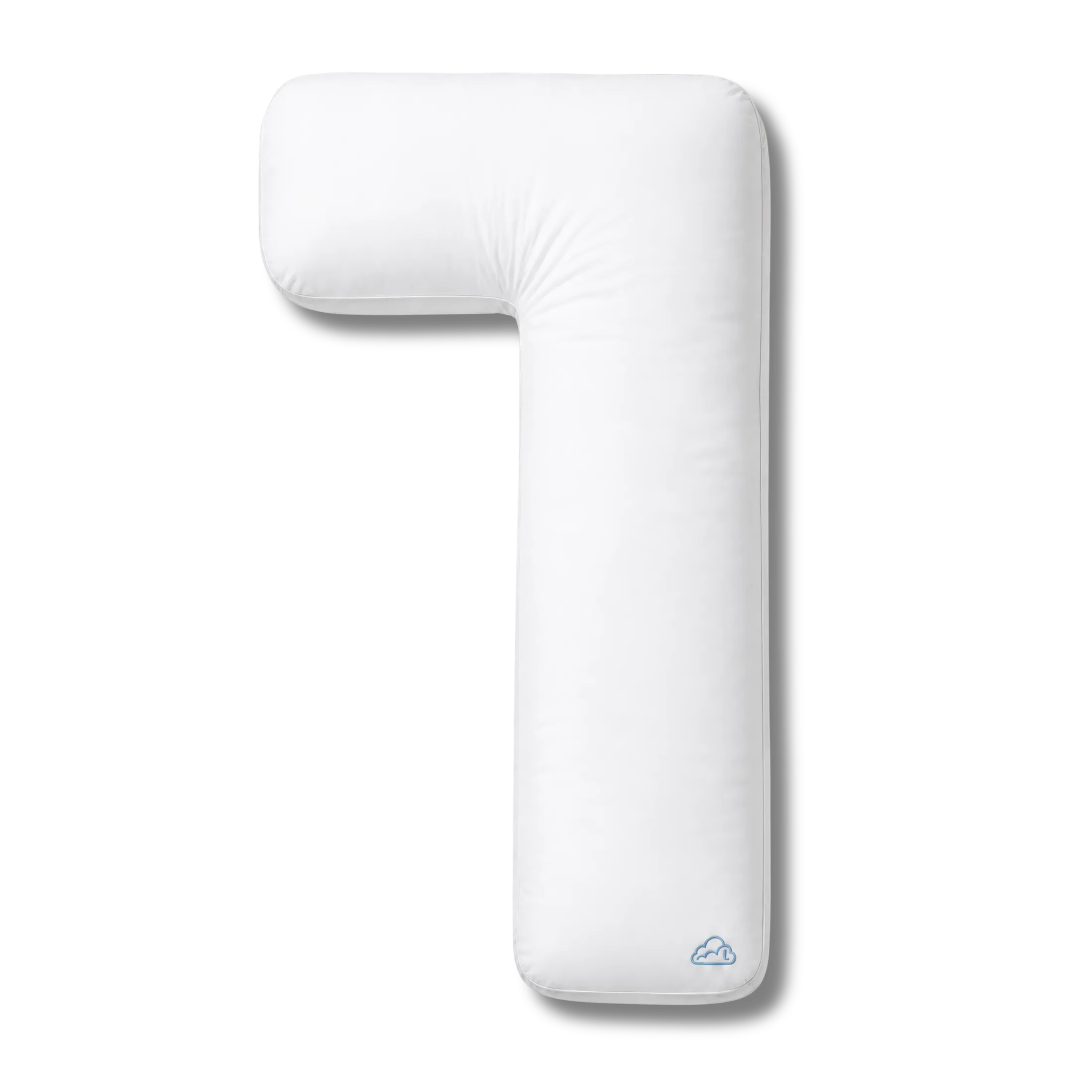
The Hidden Cost of the Wrong Pillow
Poor pillow choice doesn't just affect your neck. The consequences ripple through your entire body and daily life:
Your sleep quality suffers. Even if you're not consciously aware of discomfort, poor neck alignment keeps your body in a state of low-level stress. Your muscles can't fully relax, your nervous system stays partially activated, and you spend more time in light sleep rather than deep, restorative stages. You might get eight hours in bed, but wake up exhausted.
Your posture deteriorates. Spend 7-8 hours every night with your neck bent incorrectly, and your body adapts. The muscles on one side tighten while the other side weakens. Over months and years, this can create lasting postural imbalances that affect how you sit, stand, and move during the day.
Your pain spreads. What starts as neck discomfort rarely stays isolated. Poor neck alignment affects shoulder mobility, can trigger tension headaches, and forces your upper back muscles to compensate. Some people even develop referred pain down their arms or into their jaw.
Your productivity drops. It's hard to focus on work, enjoy activities, or maintain patience with loved ones when you're dealing with chronic pain and fatigue. Poor sleep quality affects mood, cognitive function, decision-making, and overall quality of life.
How to Actually Choose the Right Pillow
Follow these steps next time you're pillow shopping:
Step 1: Identify Your True Sleep Position
Pay attention to how you actually sleep, not how you fall asleep.
Many people think they're back sleepers because they start on their back, but wake up on their side every morning. Your body naturally gravitates to your most comfortable position. This is what your pillow needs to support.
If you genuinely shift between positions throughout the night, you need to either:
- Choose based on your most frequent position
- Consider a pillow that works for multiple positions (typically medium-loft options)
- Use different pillows for different positions if you consciously change
Step 2: Measure Your Support Needs
For side sleepers, measure the distance from the tip of your shoulder to the side of your head while lying on your side on your mattress. This is roughly the pillow height (loft) you need.
For back sleepers, you want just enough support to maintain your neck's natural curve. Too much and your chin tilts toward your chest; too little and your head tilts backward.
Note: you can adjust loft on any of the snuggL pillow collection for a deep, comfortable sleep.
Step 3: Consider Fill Material Based on Your Needs
Now it's time to consider material and firmness:
Memory foam: Excellent for consistent support and pressure relief. Conforms to your unique shape but can sleep hot. Good for side sleepers who need reliable loft.
Down or down alternative: Adjustable (you can fluff or compress them) and soft, but they compress over time and may not provide enough support for side sleepers. Better for back sleepers or those who like to adjust their pillow throughout the night.
Latex: Responsive and supportive with good durability. Sleeps cooler than memory foam. Works well for side sleepers who want firm support.
Adjustable fill (shredded foam or fiber): Allows you to customize the loft by adding or removing fill. Good if you're between sizes or share pillows with a partner who has different needs.
Contoured/cervical pillows: Specifically designed to support the neck's curve. Can be excellent for chronic neck pain but require an adjustment period and work best for consistent back sleepers.
The material matters less than whether it maintains the right loft for your body and position.
Step 4: Test Properly Before Committing
If possible, lie down on a similar mattress firmness in your typical sleep position. Put the pillow under your head and actually rest there for several minutes. Better yet, bring someone who can look at your spine alignment from behind or take a photo.
What to check:
- Is your spine straight (for side sleepers) or maintaining its natural curve (for back sleepers)?
- Does your head feel neutral, or tilted up or down?
- Are your shoulders comfortable, or is one rolling forward?
- Can you breathe easily without your chin pressing into your chest?
The Special Case: Body Pillows for Side Sleepers
Many side sleepers focus entirely on the pillow under their head and ignore the rest of their body.
When you sleep on your side, your top leg falls forward and your top arm has nowhere comfortable to go. This rotation pulls your spine out of alignment—even if your head and neck are perfectly supported.
That's why we recommend a body pillow that supports your entire sleep posture, not just your head.
The snuggL L-Pillow fills the gap between your knees (preventing hip and lower back rotation), supports your top arm (preventing shoulder strain), and keeps your head aligned. This comprehensive support system is why many side sleepers report dramatically better sleep quality after switching to a body pillow, even if they thought their regular pillow was fine.
Stop Making This Expensive Mistake
The average person spends 2,500 hours per year sleeping. That's 2,500 hours when your pillow is either supporting healthy alignment or contributing to pain and poor sleep.
Yet most people spend more time choosing a pair of shoes they'll wear for a few hours than choosing the pillow that supports their neck for a third of their life.
Instead of choosing based on how a pillow feels to your hand, choose your pillow based on what your spine actually needs.
The right pillow might not feel like luxury to your fingers…
But it will feel like heaven to your neck after a full night's sleep.
Designed for the way side sleepers actually rest
Meet the L-Pillow your spine has been asking for
Head, neck, and knee support in one doctor-designed pillow that stays with you through the night.
Shop the L-PillowAuthor
snuggL Editorial
Sleep education from the snuggL team, focused on side-sleeper comfort, pillow support, and practical ways to wake up feeling better.