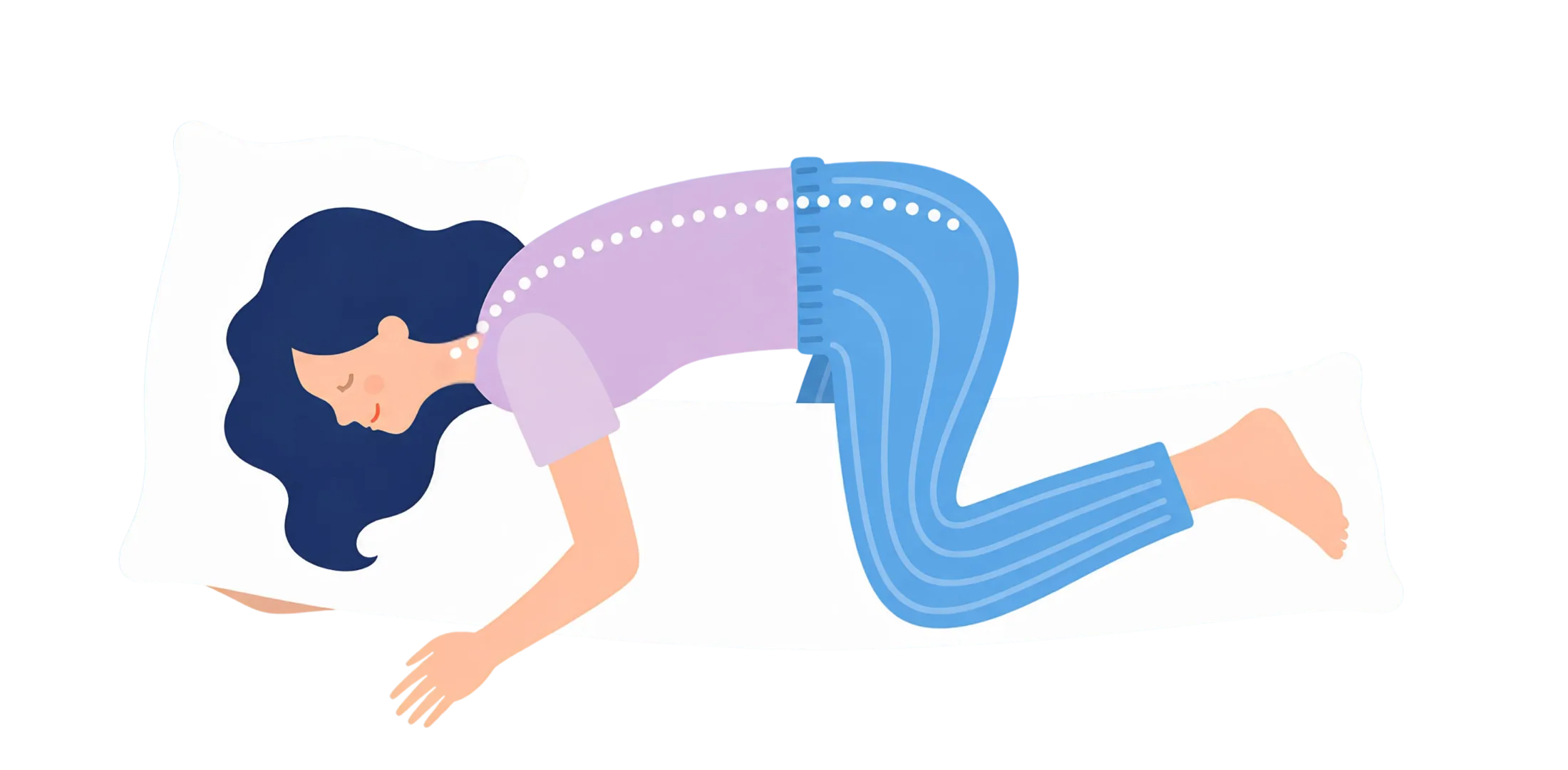
Still Exhausted After 8 Hours of Sleep? Here's Why…
Why sleep quality matters as much as sleep quantity, and what your body may be trying to tell you.

Key Takeaways
- Eight hours only helps if your body reaches restorative sleep stages.
- Morning headaches, stiffness, vivid dreams, and brain fog can point to sleep blocks.
- Temperature, hydration, allergens, magnesium, and support all affect sleep quality.
You set your alarm for eight hours time. You fall asleep without fuss. You don't wake up during the night.
And yet…
When your alarm goes off, you feel like you've been hit by a truck.
Why?
The answer may surprise you.
Keep reading to finally get to the root of this annoying sleep mystery.
The Sleep Quality vs. Sleep Quantity Myth
We've all been told the importance of getting 8 hours of shut-eye a night.
Trouble is, sleep doesn't work like filling a gas tank.
Your brain cycles through four distinct stages of sleep multiple times each night, each serving a specific biological purpose.
Stages 1 and 2 are light sleep – transitional phases where you're easily awakened.
Stage 3 is deep sleep, where your body repairs tissue, builds muscle, and strengthens your immune system.
And finally, stage 4, aka 'REM sleep' – where your brain consolidates memories and processes emotions.
A healthy night of sleep consists of cycling through each stage 4-6 times per night, spending about 20-25% of the night in deep sleep and another 20-25% in REM sleep.
But sometimes there is a block stopping you from entering deep and REM sleep.
As a result:
You can spend 8+ hours in bed and wake up feeling barely rested.
You're technically "sleeping," but your body and brain aren't getting the restoration they need.
Identifying Your "Sleep Blocks"
Here are some signs pointing to potential "sleep blocks" that could be preventing you from reaching the essential stages you need for complete restoration:
Sign #1: You Wake Up With a Headache or Dry Mouth
What it might mean: Sleep apnea or mouth breathing.
If you consistently wake with headaches, a dry mouth, or a sore throat, you may be experiencing breathing disruptions during the night. Sleep apnea causes your airway to collapse repeatedly, dropping your oxygen levels and forcing your brain to briefly wake you to restart breathing. You rarely remember these episodes, but they can happen hundreds of times per night.
Even without full apnea, chronic mouth breathing prevents deep sleep. When you breathe through your mouth instead of your nose, you're not filtering air properly, you're more likely to snore, and your body stays in a lighter, more alert state.
What to do: See a sleep specialist for evaluation. In the meantime, try sleeping on your side (back sleeping worsens apnea), elevating your head slightly, and using nasal strips to encourage nose breathing. If you're a chronic mouth breather, addressing nasal congestion or allergies may be essential.
Sign #2: You Feel Wired and Exhausted Simultaneously
What it might mean: Cortisol dysregulation or circadian rhythm disruption.
This bizarre combination—being bone-tired but unable to relax—often indicates your stress hormones are out of sync with your sleep-wake cycle. Cortisol should drop in the evening and rise in the morning. When chronic stress flips this pattern, you feel alert at night and sluggish during the day.
You might fall asleep from sheer exhaustion, but elevated cortisol keeps you in lighter sleep stages, preventing the deep restoration your body craves.
What to do: Focus on circadian rhythm reset. Get bright light exposure within 30 minutes of waking. Avoid bright lights and screens for 2-3 hours before bed. Consider having your cortisol levels tested (a 4-point saliva test shows the pattern throughout the day). Practice stress-reduction techniques daily, not just at bedtime.
Sign #3: You Dream Vividly or Have Nightmares Constantly
What it might mean: REM rebound or medication effects.
While some dreaming is normal and healthy, excessive or disturbing dreams can indicate your brain is either compensating for lost REM sleep (REM rebound) or being overstimulated by certain medications, supplements, or substances.
Antidepressants, blood pressure medications, and even melatonin supplements can intensify or disrupt REM sleep, leaving you feeling mentally exhausted despite sleeping.
What to do: Review all medications and supplements with your doctor. Don't stop prescribed medications without medical guidance, but there may be alternatives or timing adjustments that help. Avoid alcohol before bed—it suppresses REM sleep initially, then causes REM rebound later in the night with intense, disruptive dreams.
Sign #4: You Wake Feeling Stiff, Achy, or Numb
What it might mean: Poor sleep posture or pressure point issues.
Your body should feel refreshed after sleep, not beat up. If you wake with numbness in your hands, stiffness in your neck, or aching hips and shoulders, you're spending the night in positions that compress nerves and restrict blood flow.
Each time pressure builds to uncomfortable levels, your brain partially arouses you and signals your body to shift positions. You may not remember waking, but these micro-arousals prevent deep sleep.
What to do: Address your sleep support system. Your spine should maintain its natural curves throughout the night. For side sleepers, this means filling the gap between your head and mattress, supporting the space between your knees, and preventing your top shoulder from rolling forward. Poor support in any of these areas creates pressure points that disrupt sleep quality.
Sign #5: You Can't Concentrate and Feel Foggy All Day
What it might mean: Insufficient deep sleep or underlying health issues.
Deep sleep is when your brain clears out metabolic waste that accumulates during waking hours. Without enough time in this stage, toxins build up, affecting cognitive function, memory, and mental clarity.
Persistent brain fog despite adequate sleep time can also signal thyroid problems, vitamin deficiencies (especially B12 and vitamin D), blood sugar imbalances, or early neurological issues.
What to do: Track your symptoms and get comprehensive bloodwork. Check thyroid function (TSH, T3, T4), vitamin D, B12, iron levels, and fasting glucose. Consider a sleep study to measure how much time you're actually spending in deep sleep versus light sleep. Poor sleep quality is sometimes the first sign of an underlying health condition that needs attention.
Designed for the way side sleepers actually rest
Meet the L-Pillow your spine has been asking for
Head, neck, and knee support in one doctor-designed pillow that stays with you through the night.
Shop the L-Pillow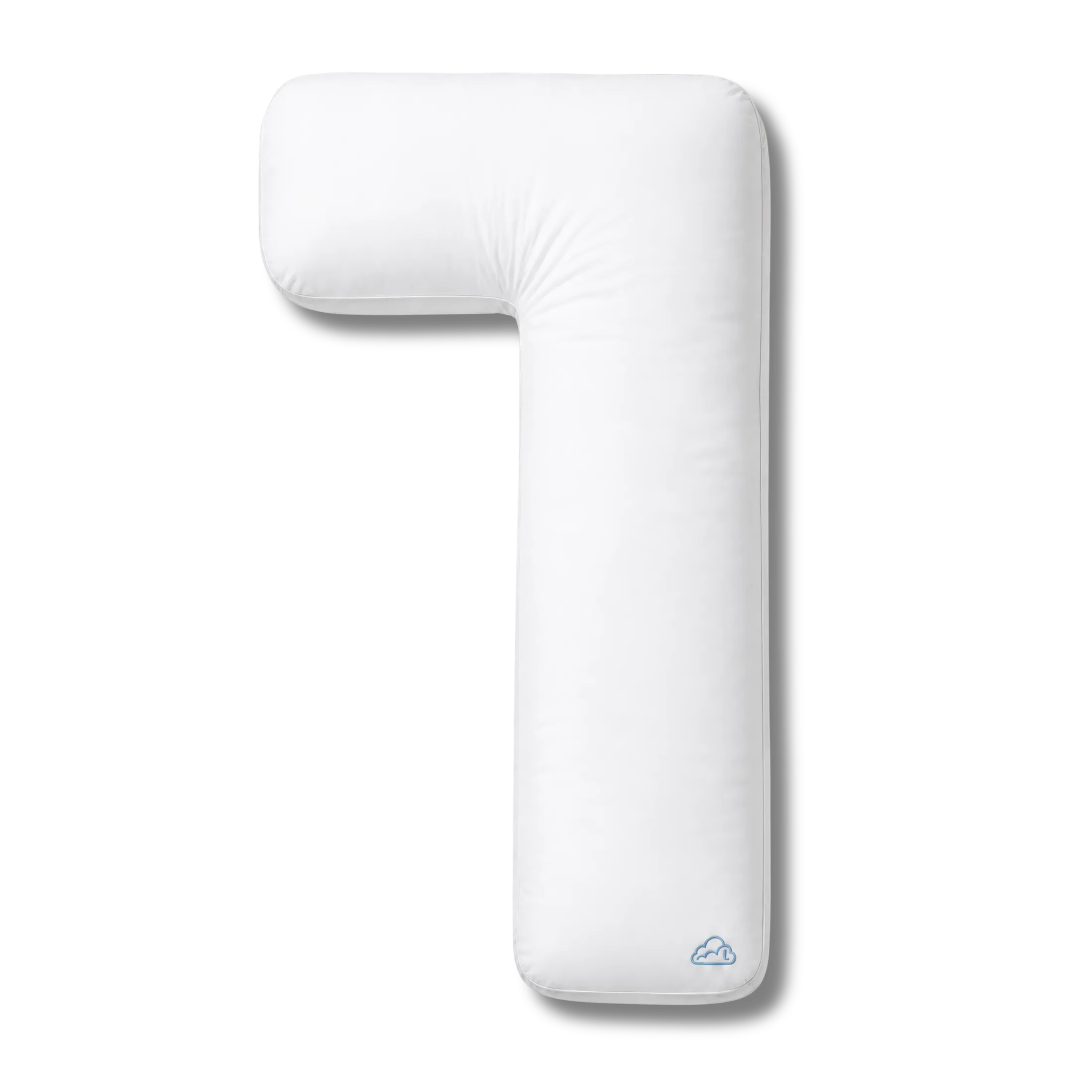
Hidden Sleep Disruptors You're Probably Ignoring
Beyond the obvious culprits, several sneaky factors sabotage sleep quality without affecting sleep quantity:
Your Bedroom Is Too Warm
Even a few degrees can make the difference between restorative sleep and fragmented rest. Your core body temperature needs to drop about 2-3 degrees Fahrenheit to initiate and maintain deep sleep. If your room is too warm, your body struggles to reach this temperature, keeping you in lighter sleep stages.
The fix: Keep your bedroom between 60-67°F. Use breathable bedding. If you sleep hot, consider moisture-wicking sheets and temperature-regulating pillows.
You're Mildly Dehydrated
Going to bed even slightly dehydrated affects sleep quality. Your body needs water to regulate temperature, flush toxins, and maintain proper blood flow.
Dehydration increases your heart rate and can cause leg cramps and restlessness. But drinking too much right before bed means bathroom trips that fragment sleep.
The fix: Hydrate well throughout the day. Taper off liquids 1-2 hours before bed. Keep water nearby for small sips if you wake with a dry mouth.
Your Pillow Has Dust Mites or Allergens
Even if you don't have diagnosed allergies, pillows accumulate dust mites, dead skin cells, and allergens over time. This low-level inflammation keeps your immune system slightly activated and can cause subtle nasal congestion that affects breathing quality and sleep depth.
The fix: Wash pillowcases weekly in hot water. Replace pillows every 1-2 years. Use allergen-protective covers if you're sensitive. Consider whether your exhaustion improves when you sleep away from home since this can indicate an environmental trigger in your bedroom.
You're Deficient in Magnesium
Magnesium is essential for muscle relaxation, nervous system regulation, and sleep quality. Deficiency is extremely common (affecting up to 50% of Americans) and can cause restless sleep, muscle tension, and frequent waking.
The fix: Increase magnesium-rich foods (leafy greens, nuts, seeds, dark chocolate). Consider a magnesium supplement 1-2 hours before bed (magnesium glycinate is best for sleep). Start with 200-400mg and adjust based on results.
When to See a Doctor
Most sleep quality issues can be addressed with lifestyle changes, but some require medical intervention. See a doctor if you experience:
- Loud snoring with gasping or choking sounds
- Witnessed breathing pauses during sleep
- Excessive daytime sleepiness that interferes with work or driving
- Persistent exhaustion despite addressing common sleep disruptors
- Depression, anxiety, or mood changes alongside poor sleep
- Unexplained weight gain or loss
- New or worsening health symptoms
Sleep problems can be symptoms of thyroid disorders, sleep apnea, restless leg syndrome, depression, chronic pain conditions, or other medical issues that won't resolve without proper treatment.
Exhausted 😴 → Energized 🤩
Feeling tired despite sleeping enough is frustrating, but it's also valuable information. Your body is telling you that something needs to change, like your sleep environment, your stress levels, your support system, or your health status.
Once you identify what's fragmenting your sleep, you can address it. Amazingly, most people see dramatic improvements within 1-2 weeks of making targeted changes.
Start here:
- Track your sleep quality (not just quantity) for one week using a sleep app or journal
- Identify your primary symptom from the list above
- Address the most likely culprit based on your symptoms
- Give changes 7-10 days to show results before adding more interventions
Remember, sleep quality is just as important as sleep quantity.
Those eight hours only matter if your body can actually use them for restoration.
So ask yourself:
What is your body trying to tell you about your sleep?
Listen carefully and take action.
Designed for the way side sleepers actually rest
Meet the L-Pillow your spine has been asking for
Head, neck, and knee support in one doctor-designed pillow that stays with you through the night.
Shop the L-PillowAuthor
snuggL Editorial
Sleep education from the snuggL team, focused on side-sleeper comfort, pillow support, and practical ways to wake up feeling better.